
Review · TOKYO LUXURY TOURS
Tokyo:Luxury Sumo Show Experience & Japanese cuisine & Drink
Sumo gets personal here. In a warm Asakusa venue, you sit close to a real ring, watch retired wrestlers demonstrate techniques, and learn the sport through clear English and Japanese commentary. I especially like the mix of serious tradition and comic audience interaction, plus the generous meal of A5 wagyu sukiyaki, chanko hot pot, and matcha dessert. The main catch is simple: this is a polished entertainment show, not a visit to an active sumo stable, and the $103 starting price may feel high if you do not value the meal, drinks, photos, and interaction.
I also like that the format works for families, couples, and solo visitors. Children can take part in playful challenges, while adults can ask questions and enjoy the cultural background. Food quality is generally praised, though one diner found the meal needed to be hotter, and the venue has stairs, so it is not suitable for wheelchair users.
Key points at a glance
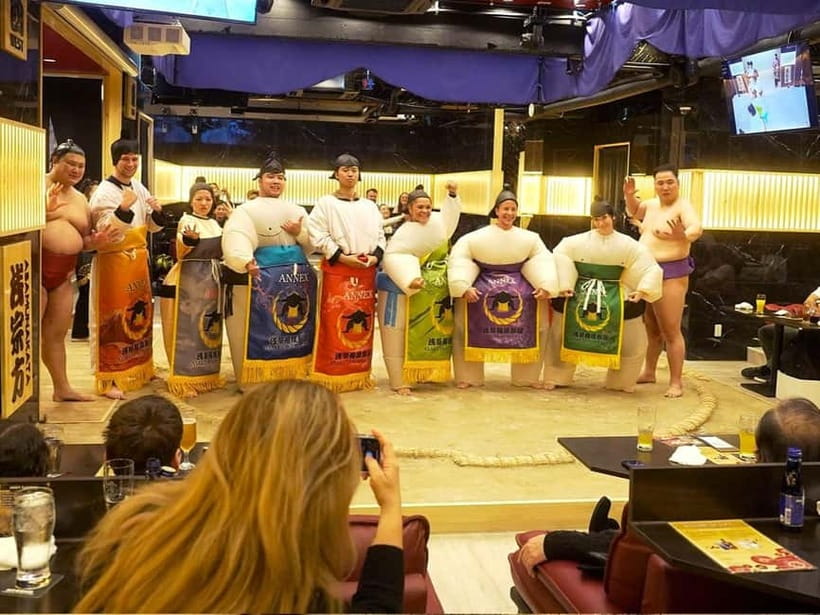
- A real sumo ring sits in the center of the restaurant, putting you close to every demonstration and bout.
- The show begins with a geisha dance, followed by a photo opportunity before the sumo presentation.
- English and Japanese commentary explains the rules, rituals, training, and history without assuming you know anything about sumo.
- The meal is more than a snack, with A5 wagyu sukiyaki, chanko hot pot, matcha dessert, and upgraded dishes in the premium seating categories.
- You might be chosen for the sumo challenge, though participants are selected by lottery if many people volunteer.
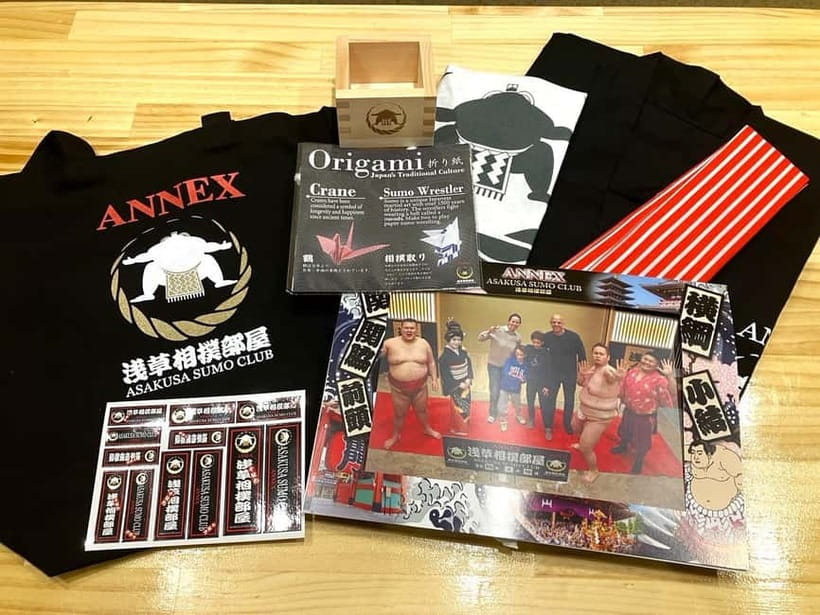
- The package ends with photos and souvenirs, including a printed commemorative image with the wrestlers.
What this Asakusa sumo evening is really like
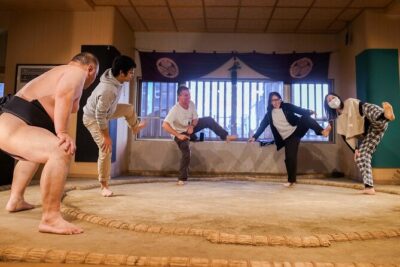
The Asakusa Sumo Club Annex is the quieter, more private branch of the better-known Asakusa Sumo Club. Its design aims for a VIP feel, but the atmosphere remains friendly rather than stiff. You sit around a central ring inside the restaurant, so the action is close and easy to follow.
The whole program lasts about two hours. That is a useful length for an evening in Tokyo. You get a full cultural activity without giving up an entire night, and the format suits families who may not want a long formal performance.
The setting is designed for participation. The wrestlers speak with the audience, the host takes questions, and the program includes chances to dress up, take photos, and step into the ring. Some sessions feature hosts praised for their English and comic timing, including Luke and Go. The exact presenter may vary, but the tone is clearly informal and welcoming.
The show has earned a 4.7 rating from 577 ratings, with especially strong praise for the staff, wrestlers, host, food, and family-friendly format. That combination matters. Sumo can be difficult to understand if you only see a bout without explanation. Here, the commentary gives you a basic map of what you are watching.
More Shows and Performances in Tokyo:
- High Red Dunes with Camel Ride, Sandboarding, Falcon Show and VIP BBQ Dinner
★ 5.0 · 1,453 reviews - Sunset Camel Trekking with Falcon Show & VIP BBQ Dinner
★ 5.0 · 466 reviews - Marrakech: Camels & Quads on Sunset and Luxury Dinner with Show
★ 5.0 · 358 reviews
The geisha dance gives the evening a graceful opening
The first performance is a Japanese dance by a geisha. It provides a sharp contrast to the physical comedy and force of the sumo bouts that follow. The controlled hand movements and careful pacing give you a glimpse of a traditional performance style before the evening shifts toward audience interaction.
You can take a photo with the geisha after the dance. Families may find this especially memorable, since children are welcomed into the photo opportunity and the performers are described as kind and approachable.
It is worth keeping your expectations clear. This is a short stage performance within a dinner show, not a full geisha entertainment evening. Still, it adds cultural range and gives the program a more polished beginning than a sumo demonstration alone.
The sumo explanation turns rules into entertainment
After the dance, the host introduces sumo history, customs, rules, and basic techniques. The explanations are supported by demonstrations, which makes them easier to follow than a long spoken lecture.
You learn why wrestlers perform certain movements, how a bout is won, and how training techniques work. The host and wrestlers use humor, so the information does not feel like a classroom lesson. This is where the experience earns much of its value for first-time viewers.
The bilingual commentary runs throughout the show in English and Japanese. English ability is one of the strongest practical features here. Several visitors singled out the host’s clear English, friendly staff, and willingness to answer questions.
I recommend preparing a few questions before you arrive. The question-and-answer period is one of the best parts of the evening, especially if you want to understand the rituals or the differences between entertainment sumo and professional competition.
Close-up bouts show power, skill, and plenty of comedy
The wrestlers demonstrate training movements and then perform sumo bouts in the ring. Because the venue is intimate, you are not watching tiny figures from a distant seat. You can see the movement, hear the reactions, and follow the action without a screen doing all the work.
The wrestlers are retired sumo professionals performing for entertainment. That distinction matters. You are not seeing an official tournament match, and the show does not recreate the daily routine of an active stable.
What you do get is a lively introduction to the sport, led by people who understand its physical demands and traditions. The bouts include humor and audience participation, but the demonstrations still show the force and balance that make sumo so distinctive.
The tone is deliberately light. Some visitors described laughing throughout the evening, while others appreciated the way the show added a sense of ceremony and respect. If you want a quiet, solemn cultural performance, this may feel too playful. If you want an accessible first look at sumo, the humor helps.
A few more luxury tours around Tokyo worth a look
- From Tokyo: Mt Fuji Private Day Tour In Luxury Land Cruiser
★ 4.9 · 168 reviews - Luxury van Ride to famous car meet up spot Daikoku
★ 4.5 · 148 reviews - From Tokyo/Nagano: Luxury Snow Monkey Private Full-Day Tour
★ 4.9 · 82 reviews - Haneda Airport Private Transfer – Luxury Car & Meet & Greet
★ 4.5 · 68 reviews
The sumo challenge is the evening’s biggest surprise
At one point, the host invites audience members into the ring for a friendly sumo challenge. You may push against a wrestler, try a basic sumo move, or take part in a staged match. It is designed for fun, not for testing your actual wrestling ability.
The number of participants is limited. If many people volunteer, names are selected by lottery, so do not book this experience solely because you expect to wrestle. Children and teenagers can take part when selected, and family groups often find this the funniest part of the show.
If you are chosen, the staff help with photos and guide you through the activity. Solo visitors are not forgotten either. The audience and staff can help capture pictures, which is useful if you arrive alone.
Wear something you can move in if you hope to volunteer. The supplied information does not specify a dress code, but the activity is physical enough that restrictive clothing would be inconvenient. Participation is optional, so you can simply watch and cheer if the ring is not calling your name.
The A5 wagyu meal is a serious part of the price
The standard meal includes a sukiyaki bento made with Japanese A5 rank wagyu beef, chanko nabe hot pot, and matcha dessert. Chanko is closely linked with sumo culture, since it is the hearty communal-style food associated with wrestlers’ meals.
The portions are described as generous, and the meal is one of the most consistently praised parts of the experience. You receive dinner while the performance unfolds, so the $103 starting price is not paying for a short stage show alone.
Food is served in a comfortable restaurant setting rather than as a quick theater snack. That makes the experience easier for families and couples who want dinner and entertainment in one booking.
There is one small caution. One diner found the food needed to be hotter, so temperatures may not be perfect at every sitting. Most comments describe the food as delicious or very good, but anyone booking primarily for a high-end meal should keep the show format in mind.
Seating categories change the value considerably
The three seating levels make a real difference to what you receive.
- Standard table seats: You receive the sukiyaki meal, chanko hot pot, matcha dessert, and one complimentary drink. You have a clear view, but additional drinks cost extra.
- Business sofa seats: You receive the meal, tempura, chanko hot pot, and unlimited drinks. The wider sofa seating gives you a more relaxed position and strong visibility.
- First Class front-row sofa seats: You sit closest to the ring and receive tempura, unlimited drinks, premium Japanese whisky including Yamazaki, and a special souvenir set with a happi coat.
The $103 price should therefore be read as a starting figure, since the exact cost depends on your seating category. Business seating can make sense for people who plan to drink during the show. One diner specifically felt the higher price was worthwhile because of the food and open bar.
Standard seating is the sensible choice if you mainly want the performance and a complete dinner. First Class is aimed at people who care about front-row proximity, premium whisky, and the extra souvenir package. It is not automatically the best choice for every visitor.
Drinks can shift the cost quickly
Standard seating includes one free drink. Beer, Japanese whisky, soft drinks, and other beverages are available, but you pay for additional drinks.
Business and First Class include unlimited drinks. First Class adds unlimited premium Yamazaki whisky, which can change the value calculation for whisky drinkers. If you rarely drink alcohol, the lower seating category may be the better buy.
The open-bar option also means you do not need to leave the performance to find another drink. Service has been praised as quick and attentive, which helps the meal feel like a complete evening rather than a show with a rushed dinner attached.
Photos and souvenirs make the ending feel complete
After the bouts, you can take commemorative photos with the wrestlers. A printed photo is included, and souvenir gifts vary by seating category and season.
The photo service is useful for solo visitors and families. Staff help take pictures during the sumo challenge, and the closing photos give you a physical reminder of the evening rather than leaving you with only phone images.
First Class includes a special souvenir set with a happi coat. Standard and Business also receive gifts, though the items differ. Seasonal changes are possible, so do not book for one exact souvenir unless you are comfortable with substitutions.
Who will enjoy this most
I would recommend this for first-time sumo viewers, families with children, couples wanting an unusual dinner, and solo visitors who like social activities. The bilingual explanations remove much of the confusion, while the interactive parts keep the mood moving.
It also works well for anyone who wants a cultural activity without committing to an early morning. The experience is easier to fit into an Asakusa itinerary, especially if you are already visiting the area around the meeting point on Asakusa Kokusai Street, next to Matsuya Restaurant.
It is less suitable for serious sumo fans seeking an authentic training environment. The wrestlers are retired, and the show is built for entertainment. For active-stable training, you need a different kind of experience.
People with strict dietary needs should plan early. Vegetarian and vegan meals can be arranged only if requested at least two days before the reservation date. Gluten-free and halal meals are not available, though you may bring your own food. Infants under one year old are not suitable for the activity, and babies do not receive meals, seating, or souvenirs.
The venue has stairs and is not wheelchair accessible. You may also be seated with other people, so this is not a private room experience despite the refined feel of the annex.
Is the $103 price fair?
The answer depends on how you use the package. At the starting price, you receive two hours of entertainment, a substantial Japanese meal, bilingual hosting, a geisha dance, a free drink, photos, and a souvenir. That is fair value for a visitor who wants a convenient cultural evening with plenty of support in English.
The price feels less attractive if you want only to watch traditional sumo or if you do not eat the meal. It is also worth comparing the seating inclusions before booking. Business may offer better value than Standard for people who will use the unlimited drinks and want tempura, while First Class makes sense mainly for front-row seating, premium whisky, and the enhanced gift set.
Free cancellation up to 24 hours before the activity and reserve-now, pay-later booking add useful flexibility. Starting times vary, so check the available schedule when choosing your date.
Should you book the Asakusa Sumo Club Annex?
Book it if you want an easy, funny, well-explained introduction to sumo with dinner included. The strongest reasons are the close seating, friendly wrestlers, clear English commentary, excellent audience interaction, geisha dance, and chance to receive professional photos.
Skip it if you are seeking a quiet museum-style presentation, an official tournament, or a real morning training visit at an active stable. Also think twice if stairs, shared seating, or dietary restrictions create problems.
For most first-time visitors to Tokyo, I would choose Standard unless unlimited drinks matter to you. Families should volunteer for the sumo challenge, but remember that selection is by lottery. Bring questions, keep your camera ready, and expect a polished cultural show rather than a behind-the-scenes look at professional sumo.
FAQ
Where does the sumo show take place?
The meeting point is along Asakusa Kokusai Street, next to Matsuya Restaurant. The experience takes place at the Asakusa Sumo Club Annex.
How long does the experience last?
The show lasts approximately two hours.
Is the show suitable for children?
Yes. The program is designed for adults and children, and children can take part in the friendly sumo challenge if selected.
Can I participate in the sumo challenge?
You can volunteer to enter the ring, but participation is limited. If many people want to join, the final participants are selected by lottery.
Are vegetarian or vegan meals available?
Yes, but you must request a vegetarian or vegan meal at least two days before the reservation date. Requests made on the day cannot be accommodated. Gluten-free and halal meals are not available.
Is the venue wheelchair accessible?
No. The venue has stairs and is not wheelchair accessible. Babies under one year old are also not suitable for this activity.
Just added around Tokyo
- Tokyo Private Tour English Pro Guide By Luxury Vehicle★ 4.7 · 6 reviews
- Tokyo:Luxury Private Tour with English-Speaking driver★ 5.0 · 7 reviews
- Tokyo: Luxury Nikko Private 1 Day Tour Low Price Guaranteed★ 5.0 · 13 reviews
- Tokyo: Private Makeover Photography Studio in Luxury Kimono★ 5.0 · 22 reviews
- Tokyo: Private Nikko Sightseeing Tour In Luxury Land Cruiser★ 4.1 · 8 reviews
- Nikko in Style: Luxury private Day Tour with English guide★ 5.0 · 9 reviews
- Mt Fuji : Private 10-Hour Luxury Tour by Exclusive Car★ 3.8 · 13 reviews
- From Tokyo/Nagano: Luxury Snow Monkey Private Full-Day Tour★ 4.9 · 82 reviews
Tokyo Luxury Tours, compared.

Luxury van Ride to famous car meet up spot Daikoku
Read our review →
From Tokyo/Nagano: Luxury Snow Monkey Private Full-Day Tour
Read our review →
Haneda Airport Private Transfer – Luxury Car & Meet & Greet
Read our review →
WARP SHINJUKU Nightclub Ticket with Drink / VIP Plan
Read our review →

Browse the lists this tour appears in