
Review · LUXURY DESERT TOURS
10Day Luxury From Casablanca to marrakech by Fes and Merzouga
Morocco rewards curious road trips. This 10-day private tour links imperial cities, mountain roads, desert dunes, and old kasbahs without making you handle the driving, route planning, or hotel changes yourself. You travel with a driver-guide, stay nine nights, and have local guides in Fez and Marrakech.
I especially like the private format, which gives your own party control over the pace, and the long sweep from Casablanca through Chefchaouen, Fez, Merzouga, and Marrakech. I also like the desert section, where a camel ride, Berber camp, Gnawa music, and the Ziz Valley add more than a quick photo stop. The main drawback is the amount of time in the vehicle. Some driving days run six or seven hours, so this suits you best if you value seeing much of Morocco over lingering in one place.
Key points at a glance
- A true north-to-south route: Casablanca, Rabat, Chefchaouen, Volubilis, Fez, Merzouga, the Atlas region, and Marrakech all fit into one trip.
- Private transport throughout: You travel in an air-conditioned vehicle with a driver-guide rather than joining a large coach.
- The Sahara is more than a camel ride: The plan includes Erg Chebbi, a desert camp, Gnawa culture, the Merzouga lake area, and a possible visit to Rissani.
- Two city guides are included: Local guides are provided in Fez and Marrakech, where a guide can make the medinas far easier to understand.
- Nine nights are covered: Daily breakfast is included, along with three dinners according to the tour overview. The inclusion notes also say dinner is not included, so confirm this before paying.
- A strong value for a private journey: At $1,570.37 per person, the price covers transport, accommodation, guiding, and the camel trek, but not lunch or many admission fees.
Casablanca begins with Morocco’s grandest mosque
Your first day starts in Casablanca, Morocco’s modern commercial center and a useful introduction to the country. The planned sights include the Hassan II Mosque, the Corniche at Ain Diab, and the Old Medina.
The Hassan II Mosque is the major draw. Its oceanfront setting gives the visit a strong sense of place, while the Corniche offers a change of pace with sea views and city life. The Old Medina is smaller and less maze-like than the medinas in Fez or Marrakech, making it a gentle first taste of old Morocco.
The schedule gives about two hours for this opening visit. That is enough for a short orientation, but not a slow, detailed exploration of every corner. If the mosque visit matters greatly to you, ask how much time is planned there and whether an interior visit is part of the day, since admission details are not clearly included.
More Luxury Desert Tours in Morocco
- Majestic Desert: 3-Day Luxury Journey from Marrakech to Fes
★ 4.9 · 1,437 reviews - From Marrakech: 3-Day Desert with luxury camp, camel & meals
★ 4.6 · 922 reviews - Marrakech: 3-Day Desert Trip to Merzouga with Luxury Camp
★ 4.7 · 887 reviews
Rabat and the blue lanes of Chefchaouen
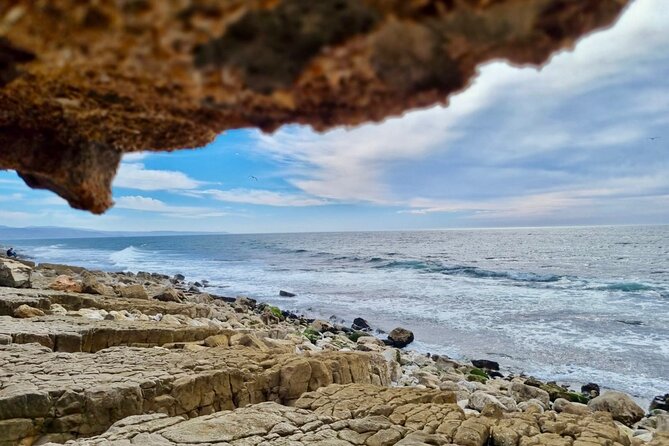
The route then heads north toward Chefchaouen, with a stop in Rabat described around the Kasbah of the Udayas and the Oudaias Museum. The kasbah’s white and blue buildings, river views, and Atlantic outlook make it a rewarding contrast to Casablanca.
The museum adds context through Moroccan arts and crafts. It is a small cultural stop rather than a full museum day, but it helps connect the decorative work you see later in ceramics, metal, tile, and wood to the wider culture.
After lunch, you drive through Ouazzan and the foothills of the Rif Mountains to Chefchaouen. The drive is listed at about six hours, so this is a day for watching rural Morocco pass by rather than collecting many stops.
Chefchaouen is the visual star of the northern part of the trip. Its blue-painted medina climbs into the Rif, with narrow lanes, steps, small squares, and the central Plaza Uta el-Hammam. You can pause at a café, browse local shops, or simply follow the lanes uphill for views.
One practical note matters here: the supplied schedule places the Kasbah of the Udayas under the Chefchaouen section, although Rabat and Chefchaouen are separate cities. Ask for the exact order of the Rabat stop and the overnight location before departure. Clear timing will help you avoid confusion on a long transfer day.
Volubilis adds Roman ruins before Fez
From Chefchaouen, the route continues through Ouazzan and Rif villages toward Volubilis. This ancient Roman site is one of Morocco’s most valuable historical stops, especially because it breaks up the medina and mountain scenery with open archaeological remains.
You can expect columns, foundations, and mosaic floors spread across a broad site. The visit is not simply a photo stop. It gives you a glimpse of Morocco’s place in the Roman world and helps explain why the country’s culture cannot be reduced to one period or one style.
The drive and visit together take about six hours before continuing to Fez. Admission is not included in the listed price for this stop, so carry funds for the entrance fee. Comfortable shoes are useful because the site is spread out and the ground may be uneven.
Fez rewards a full guided day
Fez is the cultural heavyweight of the trip. A local guide joins you for a four-hour city tour, beginning outside the old city with the Royal Palace gates, the Jewish Quarter, known as the Mellah, and a ceramics cooperative.
The Mellah gives you a different view of Fez from the religious schools and market lanes inside the medina. At the ceramics cooperative, you may see traditional Moroccan craft methods and painted designs. This is also one of the places where shopping can become part of the experience, so take your time and buy only what you genuinely want.
Inside Fes el-Bali, the route includes the Blue Gate, Bou Inania Medersa, the Karaouiyine Mosque area, Chouara Tannery, Seffarine Square, Attarine Medersa, and the Nejjarine Fountain. Each stop reveals a different side of the old city.
The tanneries are memorable, but they can be intense. The sight of the dye vats is striking, while the smells are strong. The medersas provide a calmer pause, with tilework, carved plaster, and wood details that reward close attention.
The tour ends at the Merenid Tombs, where you can look across the medina from above. I consider this viewpoint essential because it helps you understand the dense maze you have just walked through.
Four hours is enough for a strong introduction, but Fez can easily absorb more time. Since the schedule also includes a separate day at Volubilis, you are not left with only a rushed city visit, yet you should still tell the guide what interests you most. The supplied experiences repeatedly praise the guides and driver for explaining villages, customs, and scenery, and Mohamed is singled out several times as patient, attentive, and good at answering questions.
Same place, a different kind of splurge:
- From Fes: 2-Day Merzouga Desert Trip w/Luxury Tent & Dinner
★ 4.7 · 844 reviews - Experience Luxury in Zagora: 2-Day Desert Adventure
★ 5.0 · 651 reviews - 3-Day Tour from Marrakech to Merzouga Luxury Camp with Camel
★ 5.0 · 601 reviews - luxury 4 Hour Private Tour of Tangier
★ 5.0 · 455 reviews
The long road to Merzouga crosses the Atlas region
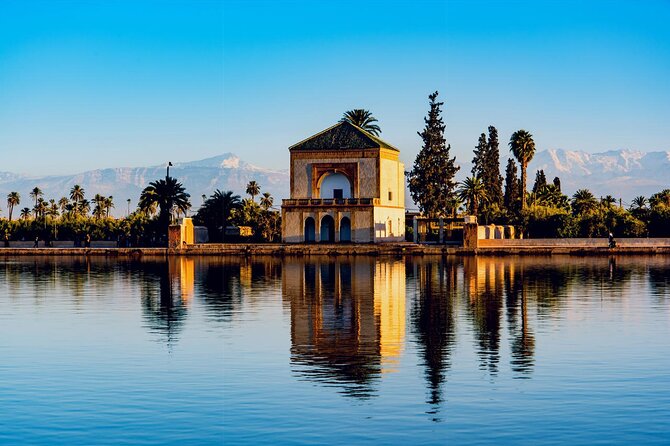
The drive from Fez to Merzouga is one of the tour’s longest days, listed at about seven hours. You pass through Ifrane, called the Switzerland of Morocco, then continue via Midelt, Errachidia, and the Ziz Valley.
The appeal here is the changing scenery. Ifrane has a different feel from the northern medinas, while Midelt sits in the Middle Atlas region. Beyond it, the road reaches the Ziz Valley, where palm groves and oases mark the approach to the eastern desert.
This is a day when a private vehicle makes a real difference. You can stop for breaks and scenic views with your own party rather than moving on a fixed coach schedule. Still, the distance is substantial. Bring water, snacks, and something to occupy you between stops, since lunch is not included.
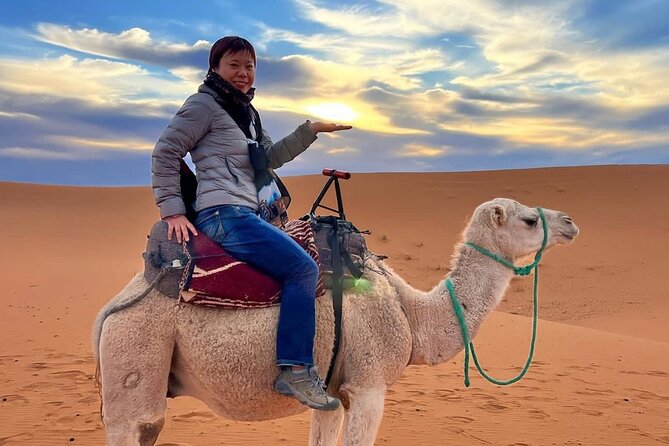
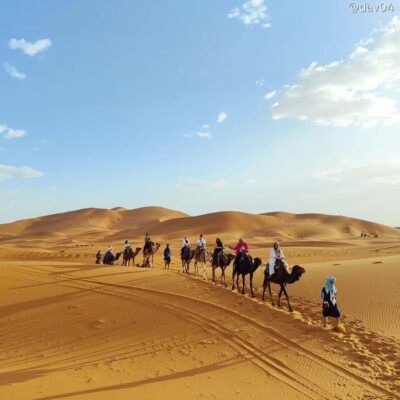
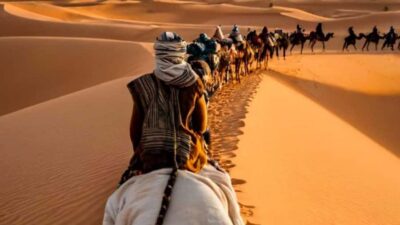
At Merzouga, camels wait near the dunes. After a rest, you ride out with a guide toward the desert camp. The camel trek is one of the clearest highlights of the trip, but it is worth knowing what it involves: a slow ride across sand, with the main reward being the sense of leaving the road behind and spending the night in a traditional Berber camp.
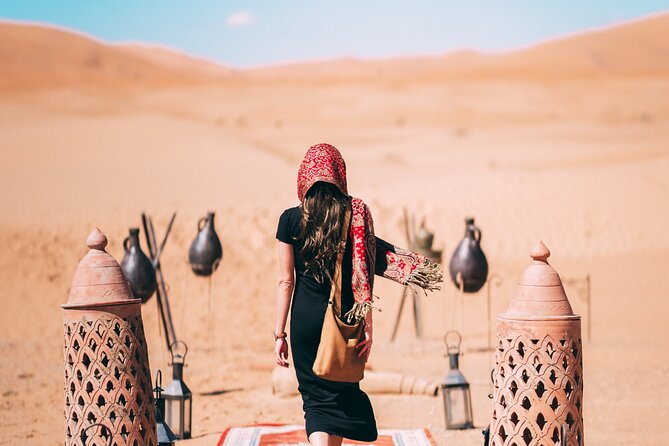
The tour information calls this a luxury experience, but it does not describe the camp’s exact room style, bathroom setup, or bedding. Ask for those details if comfort is important to you. The word luxury can mean anything from a well-appointed tent to a simpler camp with private sleeping space.
Erg Chebbi brings music, birds, and caravan history
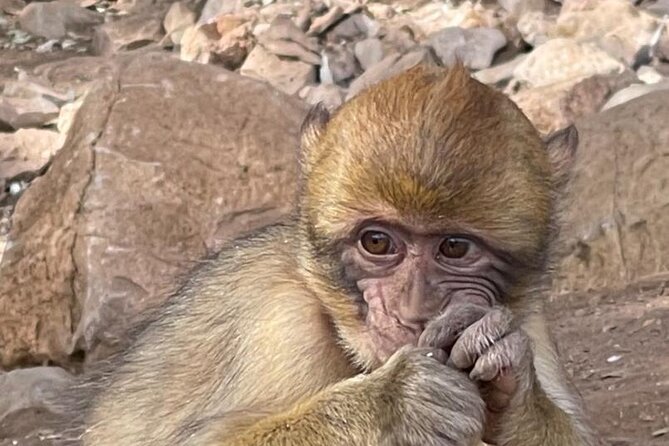
The following morning is devoted to the Merzouga area rather than another long transfer. This is smart planning. You have time to see more than the dunes and camel trail.
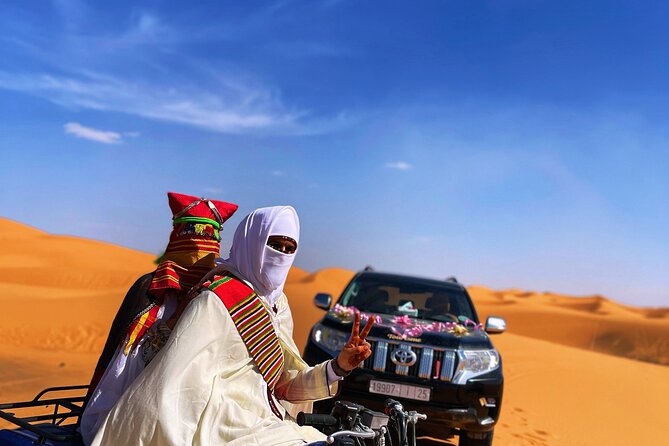
The route includes a visit with Gnawa people, whose ancestors were brought from Sudan. Their music and traditions add a human side to the desert, and the stop gives you a chance to hear about a community rather than simply look at scenery.
You may also visit the lake near Merzouga, known for bird populations. Conditions can affect what you see, but the lake offers a surprising contrast to the dry dunes.
Another possible stop is Rissani, a traditional town tied to Morocco’s ruling family and to old caravan routes reaching as far as Timbuktu. Its souk offers a look at a working town rather than a polished sightseeing district. The description notes hooded men and veiled women, but dress and behavior should always be treated respectfully. Ask before photographing people.
This exploration day lasts about four hours. It is less rushed than the Fez transfer and gives the desert portion some needed breathing room.
Todgha Gorge and the kasbah road
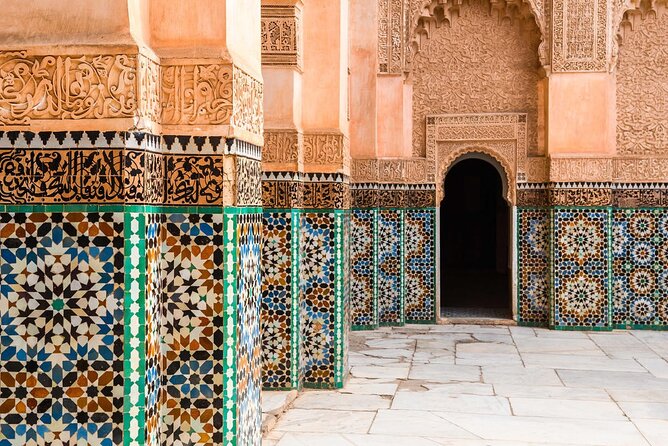
The itinerary next moves west through the Atlas region toward the gorges and kasbahs. Todgha Gorge is described under the Dades Gorges stop, so confirm whether both the Dades area and Todgha Gorge are included or whether the name is being used loosely.
Todgha is known for towering limestone walls, in places rising to about 300 meters, with a narrow canyon floor below. The river, cliffs, and changing light make it a strong stop for walking and photographs. The planned time is about five hours, enough for a meaningful visit if the route includes the surrounding area.
The next day passes through El Kelaa M’Gouna, often called Rose Town. In spring, rose petals are collected and processed into rosewater or sent to perfume industries. The annual rose festival is held in May, so ask about timing if that interests you. The town is a pleasant reminder that the Moroccan south is not only sand and stone.
Ouarzazate follows, known for its film studios and nickname as the Hollywood of Africa. Then comes Ait Benhaddou, the most famous kasbah on the route and a UNESCO World Heritage site. You have free time to visit and eat lunch in the village.
Ait Benhaddou is best appreciated slowly. Walk through the earthen buildings, look back across the route you have climbed, and notice how the fortified village blends with the dry hills. Lunch is not included, but eating in the village gives you a convenient break before the final mountain crossing.
The High Atlas leads into Marrakech
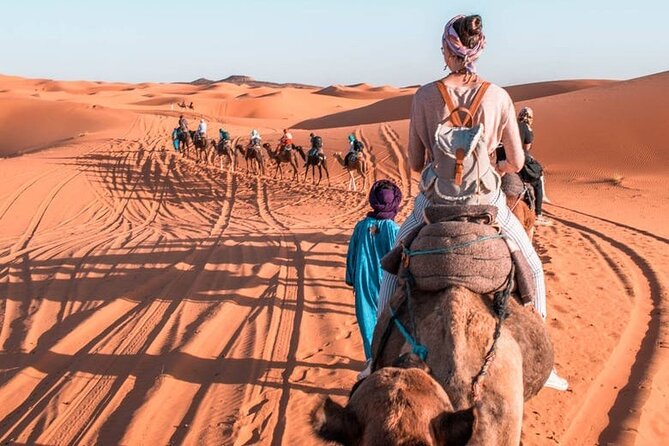
The road to Marrakech crosses the High Atlas at about 2,260 meters. The views and Berber villages along the mountain sides are a major part of the day, but the transfer takes about seven hours and may feel tiring after several earlier drives.
This is another point in favor of a private vehicle. You can ask the driver to pause when a view catches your eye, although the exact stopping pattern depends on road conditions and the day’s timing. Arriving in Marrakech in the evening means you should not expect much sightseeing that night.
Marrakech receives a full guided morning. The route includes Bahia Palace, the Saadian Tombs, the Koutoubia Mosque, the souks, and other important parts of the medina.
Bahia Palace is a fine place to start because its courtyards, gardens, tilework, and carved details offer an organized introduction to Moroccan design. The Saadian Tombs are smaller, so the visit may be brief, while Koutoubia provides one of the city’s best-known landmarks. Non-Muslims cannot enter the mosque, but you can appreciate it from outside.
The souks are where Marrakech becomes most energetic. A guide can help you understand the layout and point out craft traditions, but you should still keep your own pace. Four hours gives you a useful introduction, not a complete survey of the city. If you want extra time for shopping, cafés, or the medina after the guided portion, protect that time for yourself.
What the $1,570.37 price really covers
At $1,570.37 per person, this is not a budget bus tour. It is a private 10-day journey with nine nights of accommodation, an air-conditioned vehicle, private transport, a driver-guide, local guides in Fez and Marrakech, daily breakfast, and a camel trek.
For a private trip across this much of Morocco, the price can be good value. You are paying for the convenience of having one person manage the road network, long transfers, desert connections, and airport return. The strongest praise goes to Mohamed, who is described as friendly, relaxed, punctual, attentive, and good at explaining the environment, villages, and traditions. Several accounts also praise comfortable vehicles and attractive accommodation.
The price does not include lunch. The information also conflicts on dinner: the overview says three dinners are included, while the inclusion section lists dinner as not included. Confirm this in writing before booking.
Admission fees are not included for several major stops, including Chefchaouen, Volubilis, Fez, and Marrakech. The total cost will therefore be higher than the headline price. Group discounts are offered, and the private format means the cost may make more sense when shared by two or more people.
Who should choose this Morocco itinerary?
I would choose this tour if you want to see Morocco’s major contrasts in one trip and prefer a private driver to trains, buses, and separate hotel transfers. It suits couples, families, and small groups who want flexibility and do not mind long drives.
It is less suitable if you want a slow holiday based in two or three cities. The route covers a lot of ground, and several days involve six or seven hours in the vehicle. You should also be comfortable with walking in medinas, riding a camel, and spending a night in a desert camp whose facilities are not fully described.
The tour works especially well for first-time visitors who want structure but still care about local contact. Mohamed’s repeated praise suggests that the driver-guide can add real value, particularly between the major stops, where stories about villages and traditions help make long roads feel purposeful.
Should you book it?
Book it if your ideal Morocco trip includes blue streets, Roman ruins, Fez’s tanneries, a camel ride, desert music, mountain gorges, Ait Benhaddou, and Marrakech’s medina, all without managing the transport yourself.
Before booking, confirm the Rabat and Chefchaouen order, the exact desert camp facilities, which dinners are included, and every entrance fee. If those details are clear and you accept the busy pace, this is a well-rounded private route with strong value and an especially good desert section.
FAQ
How long is the tour?
The tour lasts approximately 10 days and includes nine nights of accommodation.
Where does the tour begin?
It begins in Casablanca, Morocco, with pickup offered.
Where does the tour end?
The tour ends with a transfer to the airport in Casablanca.
Is transportation private?
Yes. The tour includes private transportation in an air-conditioned vehicle, and only your group participates.
Are guides included?
A driver-guide accompanies you throughout the route. Local guides are included in Fez and Marrakech.
Is a camel ride included?
Yes. A camel trek in the Merzouga desert is included.
Are meals included?
Daily breakfast is included. The overview says three dinners are included, but the inclusion details say dinner is not included, so confirm this point before booking. Lunch is not included.
Can I cancel for a full refund?
Yes. You can cancel at least 24 hours before the experience start time for a full refund. Cancellations or changes made less than 24 hours before the start time are not accepted for a refund.
Just added around Morocco
- VIP TOUR OF FES- Medina by local guide & Rempart by car-FULL Day★ 5.0 · 74 reviews
- 2 Day Desert Tour from Fez with Camel ride Overnight luxury Camp★ 4.5 · 24 reviews
- Private 2 Days Desert Tour from Fes with Overnight in Luxury Desert Camp★ 5.0 · 6 reviews
- Private VIP excursion to Tangier via Chefchaouen from Fez★ 5.0 · 11 reviews
- Luxury Overnight From Fez To Merzouga★ 5.0 · 65 reviews
- luxury 3 Days 2 Nights Desert Tour from Fez to Marrakesh★ 4.5 · 73 reviews
- Private Luxury Transfer From Fes to Tangier via Chefchaouen★ 5.0 · 12 reviews
- Fes to Fes Private Desert tour 1-night 2-Day Tour luxury camps★ 5.0 · 23 reviews
Luxury Desert Tours, compared.
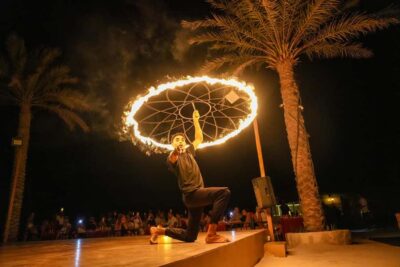
Desert Safari with VIP BBQ and Optional Quad Bike
Read our review →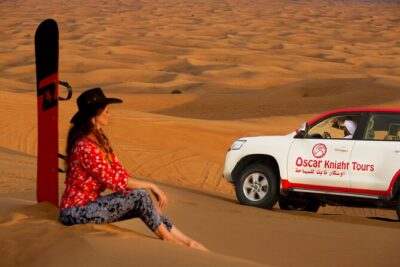
High Red Dunes with Camel Ride, Sandboarding, Falcon Show and VIP BBQ Dinner
Read our review →
Majestic Desert: 3-Day Luxury Journey from Marrakech to Fes
Read our review →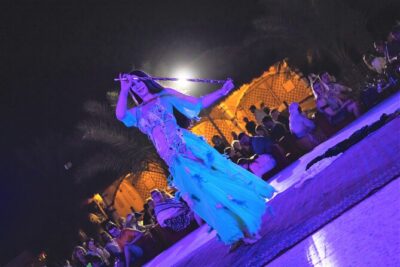
Dubai Red Dunes with Sandboarding, Camel Ride, Falcon & VIP Camp
Read our review →
Desert Safari: Luxury Fortress Dinner, Camel Ride & Dune Bashing
Read our review →
2-Day Merzouga Desert Trip w/Luxury Tent & Dinner
Read our review →Browse the lists this tour appears in