Review · LUXURY TOURS
Luxury Kailash Mansarovar Yatra – 15 days
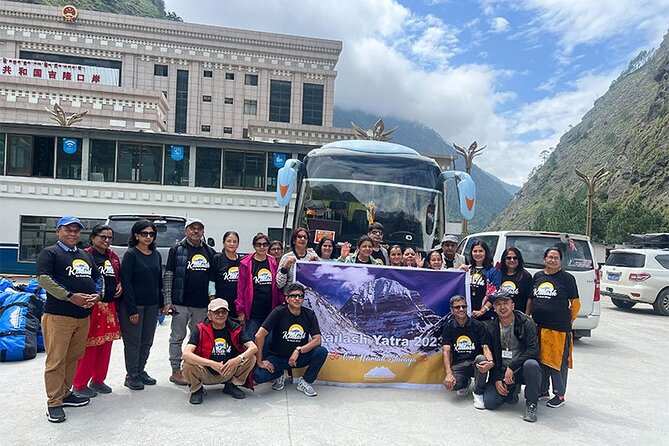
The mountain does not make this easy. This 15-day Kailash Mansarovar Yatra combines Kathmandu’s sacred sites with the high-altitude roads of Tibet, the shores of Lake Manasarovar, and the demanding three-day Kora around Mount Kailash. I like the careful acclimatization plan and the strong support team, including guides and cooks who help keep meals and daily movement organized in remote places. The main concern is simple: this is a serious high-altitude pilgrimage, not a comfortable sightseeing holiday.
I also like the useful preparation in Kathmandu, where you receive a down jacket and duffle bag before leaving for Tibet. The $3,999 price includes many meals, accommodation, ground transport, border assistance, and support during the Kora, but you should budget for tips, personal costs, and any optional helicopter return.
Key points to know before booking
- A 5,636-meter pass is the hardest test: Dolma-La Pass requires stamina, patience, and careful pacing.
- The Kora is the heart of the journey: You walk from Darchen to Derapuk, cross Dolma-La, and finish near Zutulphuk.
- Kathmandu gives you a useful cultural beginning: Pashupatinath, Boudhanath, and Patan Durbar Square add meaning before the Tibetan crossing.
- Acclimatization is built into the route: Kerung, Saga, Lake Manasarovar, and Darchen help you adjust before the main trek.
- Food and support are major strengths: The operation includes cooks, guides, and staff prepared to serve hot meals in remote areas.
- The advertised group limit is 25 people: That is large enough for shared companionship but small enough for staff to keep track of the group.
Kathmandu begins with preparation, not sightseeing
Your arrival day is practical and welcoming. A representative meets you at Tribhuvan International Airport and takes you to the Aloft by Marriott in Kathmandu. Your passport is collected to help with the Tibet visa process, so keep copies of your documents and confirm when your passport will be returned.
The group meeting matters more than it may sound. You receive instructions about the route, altitude, clothing, and the Kora. You also get a down jacket and duffle bag, which reduces the amount of specialized gear you need to bring from home.
The welcome dinner takes place at a Nepalese restaurant. It is a pleasant way to meet the group before the long road days begin. The first night is not only about food and introductions. It is your first chance to ask direct questions about luggage, meals, walking pace, and what happens if weather interrupts the route.
A few more luxury tours around the world worth a look
- Amsterdam Luxury Canal Cruise + Unlimited Drinks & Bites option
★ 5.0 · 30,518 reviews - Dubai Marina: Luxury Yacht Tour with Breakfast or BBQ Option
★ 4.7 · 21,528 reviews - Dubai: The Luxury Yacht Tour with Live BBQ Option
★ 4.7 · 13,665 reviews
Sacred Kathmandu sites set the tone
Day two visits three important places, with Pashupatinath Temple first. This major Hindu shrine to Shiva sits beside the Bagmati River, where you can observe prayer and funeral rituals. The setting is solemn and religious, so dress modestly and give ceremonies plenty of space.
Boudhanath Stupa offers a different mood. The enormous Buddhist monument is surrounded by prayer wheels and Tibetan Buddhist activity. Walking around the stupa gives you a quiet introduction to the traditions that continue across the border in Tibet.
Patan Durbar Square completes the day with Newari architecture, carved temples, Krishna Mandir, and the Patan Museum. This is the strongest cultural sightseeing day on the schedule. The visits are fairly short, though, so you should not expect a slow museum tour or a full day at every site.
The road to Rasuwa Gadhi takes patience
Day three begins with a six to seven-hour drive from Kathmandu to Rasuwa Gadhi, covering about 140 kilometers. That distance sounds modest, but mountain roads make the journey long. You pass Trishuli Bazaar, Syabrubesi, terraced farmland, waterfalls, villages, and the Bhote Koshi River.
This is one of those days when scenery replaces scheduled sightseeing. The road moves from green hills toward rougher mountain country, and the change helps you understand how sharply the environment will shift in Tibet.
At Rasuwa Gadhi, around 1,800 meters, you stay near the border before the full crossing process. Keep your day flexible. Border procedures can take time, and comfort is limited compared with Kathmandu.
On day four, you walk to the Nepalese immigration checkpoint, complete departure formalities, and then enter Chinese immigration. The Chinese side is described as careful and exact, so follow instructions closely and avoid carrying restricted items.
After the border, a Tibetan guide and driver take over. You drive to Kerung, also called Gyirong, at about 2,700 meters. A short walk in town is planned to help your body begin adjusting. That modest walk is useful. The aim is not exercise, but gentle movement without exhausting yourself.
Saga brings the first major altitude jump
Day five takes you from Kerung to Saga in about six hours. The road crosses broad Tibetan scenery, high passes, valleys, open plains, and snow-covered peaks. Saga sits at roughly 4,500 meters, a major increase from Kathmandu and Kerung.
This is where altitude becomes a real concern. You may feel tired, sleep poorly, or develop a headache. The best approach is slow walking, frequent water breaks, light meals if needed, and immediate communication with the staff if you feel unwell. A moderate fitness level is required, but fitness alone does not prevent altitude sickness.
Saga is mainly a rest and acclimatization stop. Do not treat the afternoon as spare sightseeing time. Resting here may be more valuable than trying to see every corner of town.
Same place, a different kind of splurge:
- Club Mobay Sangster Airport VIP Lounge with Priority Entry
★ 4.5 · 10,510 reviews - Dubai: Desert Safari with VIP BBQ and Optional Quad Bike
★ 4.9 · 7,349 reviews - Cu Chi Tunnels & Mekong Delta Tour with VIP Limousine Transfer
★ 5.0 · 7,052 reviews - Amsterdam: Luxury Saloon Boat Cruise with Cocktails & Waffle
★ 5.0 · 5,935 reviews
Lake Manasarovar is the emotional high point
Day six is a long drive from Saga to Lake Manasarovar. You cross Mayum La Pass at about 5,200 meters before reaching the lake at approximately 4,590 meters.
The first view of Mount Kailash and Lake Manasarovar can be powerful, even after several days of rough roads. The lake is sacred in Hindu tradition and important to the wider religious life of the region. The open Tibetan setting, sharp light, and high peaks give this part of the route a feeling that is difficult to reproduce elsewhere.
The schedule allows time beside the lake, though the supplied plan does not promise a full ritual bathing program or a specific length of private time. Conditions can change quickly at this altitude, so keep warm and avoid treating the lakeside as a casual picnic stop.
The next morning begins with a Havan Puja beside Manasarovar. For Hindu pilgrims, this ritual can be one of the most meaningful moments of the entire journey. From there, you drive to Darchen, the base for the Kora, stopping at Raksas Tal on the way.
Raksas Tal is often described in Hindu tradition as a lake associated with negative or demonic energy, in contrast with the purity linked to Manasarovar. The two lakes offer an important symbolic pair, and the short stop adds context before the trek begins.
Darchen, at about 4,575 meters, is the staging point for the Kora. It is a practical pilgrimage center rather than a resort. Use the night to organize your daypack, limit unnecessary items, check footwear, and sleep as much as possible.
The Kora begins at Yam Dwar
On day eight, a vehicle takes you from Darchen to Yam Dwar, the starting point of the circumambulation. Known as the Gateway of the God of Death, it is a place for prayer and offerings before you begin walking.
The first walking section leads toward Derapuk. The terrain is rugged, but this is usually considered the more manageable Kora day. The reward is the north face of Mount Kailash, which comes closer as you walk.
Derapuk provides the most direct mountain views of the route. Overnight accommodation is in a basic teahouse or camp, so adjust your expectations. This is not luxury lodging in the usual sense. The word luxury here refers more to the planning, staff support, and included services than to hotel rooms beside the mountain.
Day nine offers the optional hike to Charan Sparsh, translated as Touch of the Feet. It reaches the base of the north face and is intended for people who are well acclimatized and physically comfortable at high altitude.
You should not feel pressured to join this hike. Resting at Derapuk, praying, or simply saving strength for Dolma-La may be the wiser choice. The most important part of this journey is completing it safely, not collecting every possible side excursion.
Dolma-La is the decisive day
Day ten is the most demanding part of the pilgrimage. You leave Derapuk early and climb toward Dolma-La Pass at 5,636 meters. The ascent is steep, the air is thin, and the trail is rough. Slow steps and controlled breathing matter more than speed.
At the pass, Shiva-sthal is associated with prayer, personal offerings, forgiveness, and liberation. The setting has powerful religious meaning, but keep your time there sensible. Cold, wind, and altitude can become serious quickly.
The descent leads toward Gauri Kund, also called the Lake of Compassion, linked with Goddess Parvati. After that, the path drops into Zutulphuk Valley. Descending can feel easier than climbing, but steep downhill walking is hard on knees and ankles, especially after a long morning.
This is the day to follow staff instructions closely. If you have symptoms of serious altitude illness, tell a guide immediately. Do not try to hide trouble to keep up with the group.
Finishing the Kora and returning west
Day eleven begins with about three hours of walking from Zutulphuk Monastery to the pickup point. This completes the circumambulation. A vehicle then takes you back to Saga.
The return drive is long, but it gives you time to rest after the Kora. You may also find the mood changes here. The physical goal is finished, and the road back allows quiet reflection rather than new sightseeing.
Day twelve returns from Saga to Kerung. The route crosses the same broad Tibetan scenery, with mountain views, plains, valleys, and settlements. By now, the road may feel familiar, but fatigue can make a routine transfer feel longer than it did on the way out.
Day thirteen crosses back into Nepal through Rasuwagadhi. Immigration and customs come first, followed by the long drive through Langtang National Park toward Kathmandu. The return road takes about one to one and a half hours to reach the border, then continues through Nepal’s greener hills and waterfalls.
A helicopter return is available at an extra cost. The flight takes about 45 minutes and offers an aerial view of the Himalayas. It can be appealing after the long overland route, but the price is not included, and weather can affect any flight plan.
What $3,999 really buys you
At $3,999 per person, this is not a budget trip. The price is easier to understand when you consider the difficult border crossing, Tibetan road transport, high-altitude support, staff, meals, accommodation, and organization across 15 days.
Breakfast is included on 14 days, lunch on 11 days, and dinner on 12 days. The strongest practical value comes from food in remote places. The operation includes cooks, and hot meals are prepared even during the high-altitude portion of the journey. That can make a major difference when you are tired, cold, and far from ordinary restaurants.
You should still budget for personal expenses and tips. Internal flights are not included, and the helicopter return costs extra. The advertised group size is no more than 25 people, which gives you the social support of a group without the scale of a mass departure.
The accommodation changes by region. Kathmandu includes the Aloft by Marriott, while remote stops use simpler hotels, teahouses, or camps. If you book this expecting five-star rooms throughout, you will be disappointed. If you see luxury as careful planning, warm food, helpful staff, and fewer worries in difficult country, the label makes more sense.
The people who make the route manageable
Staff support is the most praised part of this experience. Sagar Pandey and Shankar Bhatta are names connected with trip leadership, while Sagarbhai and Sagar Pandey are also highlighted for personal care and steady organization.
Guides Bir Bahadur, Sanket, and Dawa Sherpa are named as part of the support team. Before booking, I would ask who will lead your specific departure, how medical support is handled, and how the group manages different walking speeds.
Rayuna is praised for preparing participants well before arrival, including practical advice over several months. Reezu is also singled out for attentive assistance. That kind of advance preparation is valuable here because you need time to organize clothing, documents, health plans, and fitness training.
The team is not a substitute for medical care. You should discuss high-altitude travel with your doctor before booking and bring any prescribed medication. The tour requires moderate physical fitness, and the Kora itself is considerably harder than the Kathmandu sightseeing days.
Who should book this pilgrimage?
You should consider it if you want a structured spiritual journey, accept basic conditions during the Kora, and are comfortable spending long hours in vehicles. It suits people who value dependable logistics, group companionship, religious sites, and support with meals and border procedures.
You should think twice if you dislike altitude, rough roads, shared or basic lodging, changing weather, or fixed group schedules. The itinerary is physically taxing, and reaching Mount Kailash is only part of the challenge. Completing the Kora safely requires discipline.
The 15th day is a transfer to Tribhuvan International Airport. Day fourteen is held as a contingency day for road delays, border problems, or bad weather. If unused, you can rest in Kathmandu, visit Bhaktapur or Swayambhunath, shop in Thamel, or book a spa or Ayurvedic treatment.
Free cancellation is available up to 24 hours before the start time. Late cancellations and late changes are not accepted, and poor weather may lead to a different date or a full refund.
Should you book the Luxury Kailash Mansarovar Yatra?
Book it if you want Mount Kailash and Lake Manasarovar handled through one organized program, with strong staff support and a clear acclimatization plan. The hot food, preparation help, named guides, and contingency day add real value to a route where small problems can become large ones.
Do not book it simply because the word luxury sounds reassuring. The Kora reaches 5,636 meters, remote lodging is basic, and long drives are unavoidable. For a fit pilgrim who understands those limits, this is a well-supported way to undertake one of the world’s most demanding sacred journeys.
FAQ
How long is the Kailash Mansarovar Yatra?
The experience lasts approximately 15 days, beginning and ending in Kathmandu.
Where does the tour start?
The listed meeting point is Himalayan Glacier Adventure and Travel Company on Amrit Marg in Kathmandu, Nepal.
What is the highest point on the route?
Dolma-La Pass is the highest point, at approximately 5,636 meters.
Is the Mount Kailash Kora included?
Yes. The itinerary includes the Kora from Darchen, beginning at Yam Dwar and continuing through Derapuk, Dolma-La, and Zutulphuk.
Is the Charan Sparsh hike required?
No. The hike to Charan Sparsh is optional. You can rest at Derapuk instead.
Are meals included?
Breakfast is included on 14 days, lunch on 11 days, and dinner on 12 days.
What is not included in the price?
Internal flights, personal expenses, and tips are not included. The optional helicopter return from Nepal also costs extra.
Just added around the world
- Luxury Cruise 5 star Top Tier Lan Ha bay 2D1N/ 3D2N★ 5.0 · 145 reviews
- Luxury Ha Giang 3 days from Hanoi★ 5.0 · 22 reviews
- Lan Ha bay luxury cruise 2D/1N: Kayaking, Swimming & full meals, pristine bay★ 5.0 · 6 reviews
- Luxury Bus Hanoi to Sapa & Sapa to Hanoi – All Inclusive★ 4.0 · 52 reviews
- Luxury Bus Limousine Hanoi to Sapa and Sapa to Hanoi★ 3.5 · 8 reviews
- Halong bay Luxury Cruise Day Trip: Buffet lunch & Limousine bus★ 5.0 · 9 reviews
- 1 Day Luxury Ninh Binh Tour with Many Options From Hanoi★ 4.5 · 20 reviews
- 1 Day Luxury Tour in Bai Dinh, Trang An and Mua Cave From Hanoi★ 4.5 · 145 reviews
Luxury Tours, compared.
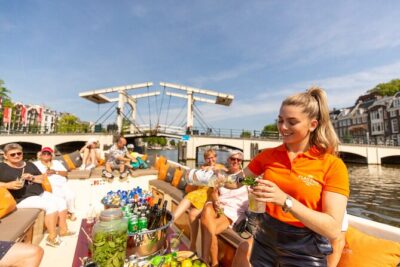
Amsterdam Luxury Canal Cruise + Unlimited Drinks & Bites option
Read our review →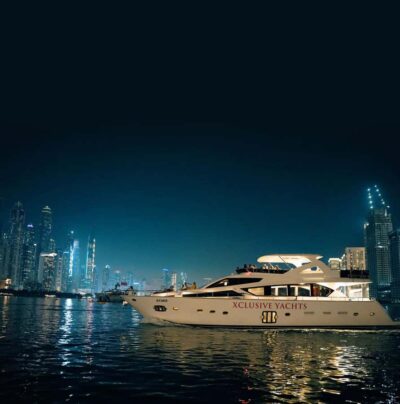
Dubai Marina: Luxury Yacht Tour with Breakfast or BBQ Option
Read our review →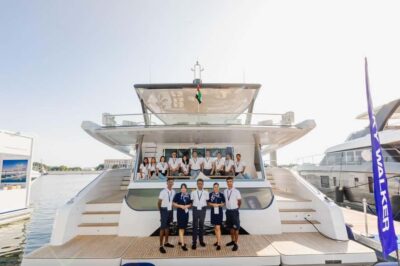

Club Mobay Sangster Airport VIP Lounge with Priority Entry
Read our review →
Desert Safari with VIP BBQ and Optional Quad Bike
Read our review →
Cu Chi Tunnels & Mekong Delta Tour with VIP Limousine Transfer
Read our review →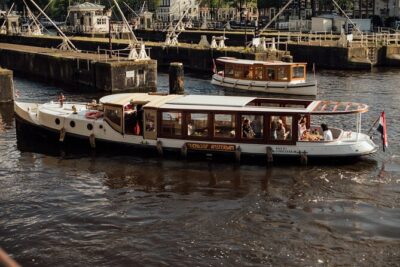
Luxury Saloon Boat Cruise with Cocktails & Waffle
Read our review →