
Review · LUXURY GOLDEN TRIANGLE TOURS
3-Day Luxury Golden Triangle Tour: New Delhi, Agra & Jaipur
India rewards patience, but this route wastes little time. This private Golden Triangle tour packs Delhi, Agra, and Jaipur into roughly three days, using an air-conditioned car, city guides, and optional hotel stays. I like the private, adjustable format, and I like that the plan includes both major monuments and lively Old Delhi, including a rickshaw ride through Chandni Chowk. The main drawback is the pace: you cover a huge amount of ground, and the $105 starting price does not include about $65 in entrance fees per person.
The strongest praise centers on the guides, the professional driver, and the freedom to spend more time at a favorite stop or skip one that does not appeal to you. Guides named Adin in Delhi, Faizan Hussain in Agra, and Rajesh Singh in Jaipur received especially warm feedback. You should still expect early mornings, long drives, crowded sights, and a schedule that favors seeing the highlights over lingering.
Key Points Before You Book
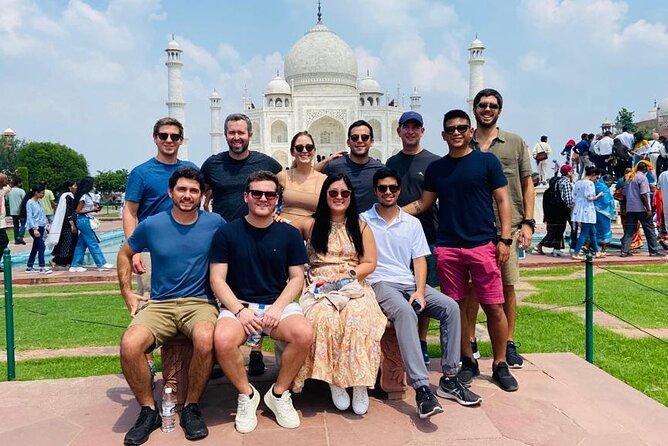
- The Taj Mahal begins early: The sunrise visit starts around 6:00 AM, followed by breakfast, checkout, and Agra Fort.
- Old Delhi feels more personal: The Chandni Chowk rickshaw ride and Khari Baoli spice market add street life beyond the famous monuments.
- Your car and driver remain private: Pickup is available from a Delhi, Noida, or Gurugram hotel, airport, or another agreed location.
- The $105 price is only the starting cost: Entrance tickets are listed separately at about $65 per person, while hotel nights depend on the selected package.
- Jaipur receives a full slate of sights: Amber Fort, City Palace, Jantar Mantar, Hawa Mahal, Jal Mahal, Gaitore, and Patrika Gate are all included in the plan.
- The route can change for Friday: If the second day falls on a Friday, the order switches to Delhi, Jaipur, Agra, then Delhi.
Why This Three-Day Route Works
The Golden Triangle links three very different North Indian cities. Delhi gives you imperial avenues, Mughal monuments, markets, and religious sites. Agra is the Taj Mahal city, while Jaipur brings painted gates, hill forts, royal palaces, and the pink-toned streets of Rajasthan.
In a longer trip, I would give each city more time. In three days, though, a private car solves one of the biggest problems: connecting the cities without working out trains, transfers, local drivers, and sightseeing on your own. You can also ask to adjust the order or spend more time at one place, which matters when your interests do not match a fixed group schedule.
The private format is especially useful for first-time visitors. You have one vehicle for the route, a uniformed driver, and a local guide in each city. The guide arrangement also means you get local help at the monuments instead of expecting one person to explain every city equally well.
The tradeoff is simple. This is a highlights tour, not a slow cultural stay. Delhi alone has enough sights for several days, and Jaipur deserves more than a quick pass if you want shopping, food, or time in the old city. If your only opening is a weekend or a short stop before or after another trip, the compression is useful. If you dislike early starts and long road journeys, choose a slower plan.
More Golden Triangle Tours in New Delhi:
- All Inclusive Private Taj Mahal Luxury Tour from Delhi by Car
★ 5.0 · 2,564 reviews - 3-Days Private Golden Triangle Tour: Delhi, Agra & Jaipur by Car
★ 5.0 · 1,098 reviews - Four-Day Private Luxury Golden Triangle Tour to Agra and Jaipur From New Delhi
★ 5.0 · 807 reviews
Delhi Begins With Imperial Views and Gandhi’s Memorial
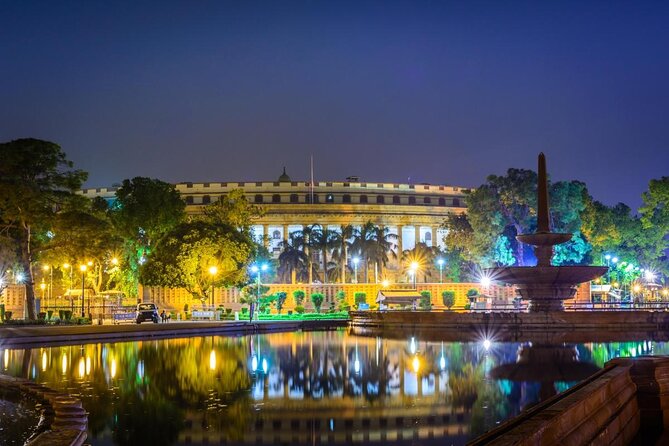
Pickup is offered from a hotel, airport, or another location in Delhi, Noida, or Gurugram. The first day takes you through several parts of the capital before the drive toward Agra.
The route begins around Lutyens’ Delhi, where you pass India Gate and Rashtrapati Bhavan. India Gate is a war memorial, while Rashtrapati Bhavan is the official residence of India’s president. The stop at India Gate is listed at about 30 minutes, so expect a quick look and photographs rather than an extended visit.
Raj Ghat offers a sharp change of mood. This quiet garden memorial marks the cremation site of Mahatma Gandhi. You have about 20 minutes there, enough to pause and reflect before the noise of Old Delhi returns.
The strongest part of the Delhi day is Old Delhi. Chandni Chowk dates to the 17th century and was planned during the Mughal period. Today, its narrow market streets are crowded, noisy, and full of movement. The included rickshaw ride is a good choice here because it lets you see more of the area without trying to navigate the lanes on foot.
Nearby Khari Baoli is Asia’s largest wholesale spice market. It has operated since the 17th century, and the stop is short, around 30 minutes. You should expect a sensory visit rather than a formal museum experience. The market adds useful context to Delhi because you see a working commercial district, not only grand monuments.
Jama Masjid follows, with about an hour planned. Built by Shah Jahan between 1644 and 1656, it is one of the great Mughal mosques in India. Dress respectfully and wear shoes that are easy to remove, since religious sites may require footwear to be taken off. The tour data confirms the visit, but exact entry arrangements can vary, so your guide is the person to follow on site.
Delhi’s Mughal Monuments and Modern Lotus Temple
The afternoon shifts back toward major monuments. Humayun’s Tomb is a UNESCO World Heritage Site and a major Mughal mausoleum, built in 1570 for Emperor Humayun by his wife, Empress Bega Begum. Allow about an hour. The formal gardens and red sandstone structure offer a calmer setting after the packed streets of Old Delhi.
Qutub Minar brings a different period of Indian history. The UNESCO-listed minaret was begun in 1193 by Qutb-ud-din Aibak, founder of the Delhi Sultanate. The visit lasts about an hour and gives you a look at Indo-Islamic design and Delhi’s earlier layers of power.
The Lotus Temple closes the listed Delhi stops with a more recent and quieter setting. This Baha’i House of Worship, completed in 1986, is known for its lotus-shaped design and meditation space. The planned visit is about 30 minutes.
This first day is extremely full. The eight Delhi stops cover memorials, markets, mosques, tombs, a minaret, and a modern house of worship, followed by the road trip to Agra. The private car helps, but traffic can affect the timing. I would treat the schedule as a framework rather than a promise that every stop will receive the exact listed duration.
The Taj Mahal at Sunrise Is the Main Event
The second day begins around 6:00 AM, when the guide and driver collect you from your hotel for the Taj Mahal. That early start is not a minor detail. It is the part of the tour that shapes the entire day, so you should be ready before pickup and keep breakfast plans flexible.
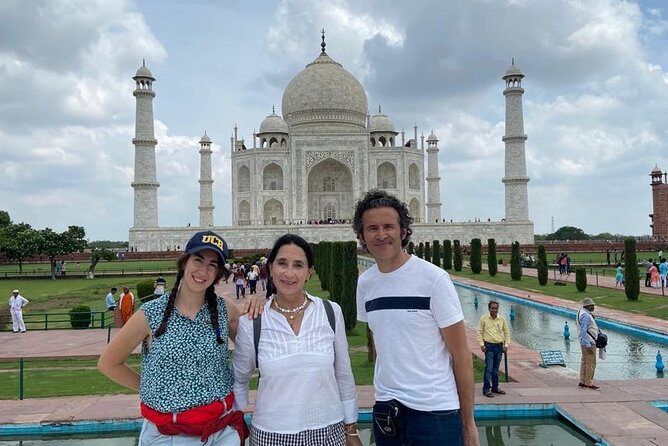
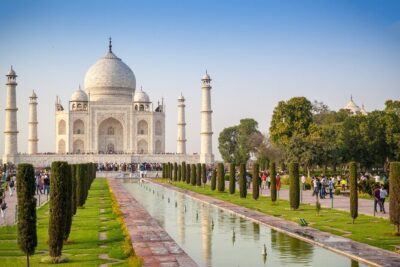
The Taj Mahal visit is scheduled for about three hours. The experience includes a battery bus ride between the parking area and the monument, which saves some walking at the start and end. The sunrise timing gives you a chance to see the marble before the day becomes hotter and the grounds grow busier, although the exact atmosphere depends on weather and crowd conditions.
You have time to look closely at the building, gardens, and decorative detail rather than treating it as a quick photograph stop. The guide can also explain the monument’s place in Mughal history and architecture. Keep your walking shoes comfortable because the visit involves movement through the grounds and monument area.
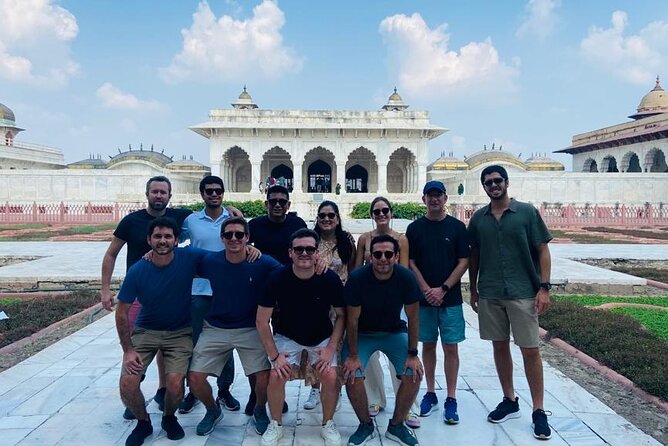
After the Taj Mahal, you return to the hotel for breakfast and checkout. The plan then moves to Agra Fort for about an hour. This red sandstone fort was the seat of Mughal power and gives you a broader sense of the empire than the Taj Mahal alone. It is a valuable second stop because you see the political world behind the more romantic monument.
More Three-Day Trips in New Delhi:
- 3-Day Private Luxury Golden Triangle Tour to Agra and Jaipur From New Delhi
★ 5.0 · 424 reviews - From Delhi: Private 3-Day Golden Triangle Luxury Tour
★ 4.9 · 56 reviews - Majestic Desert: 3-Day Luxury Journey from Marrakech to Fes
★ 4.9 · 1,437 reviews - From Marrakech: 3-Day Desert with luxury camp, camel & meals
★ 4.6 · 922 reviews
Fatehpur Sikri Breaks Up the Drive to Jaipur
After Agra Fort, the route continues toward Jaipur, with a stop at Fatehpur Sikri along the way. The journey is listed at about four hours, making this one of the major road sections of the tour.
Fatehpur Sikri was once a Mughal capital and is now a historic complex of palaces, courtyards, and buildings. It is a worthwhile addition because it connects the Taj Mahal and Agra Fort to the wider Mughal story. Still, the combination of an early sunrise, breakfast, checkout, Agra Fort, and a long drive makes this a tiring day.
The private car matters most here. You can keep water in the vehicle, rest between stops, and ask the driver about a pause if needed. Mineral water, tolls, fuel, parking, and taxes are included. Meals beyond the two included breakfasts are not, so plan to pay separately for lunch and other food.
Jaipur Packs Royal Sights Into One Busy Day
Jaipur receives the final major sightseeing block. Known as the Pink City, it offers a different visual style from Delhi and Agra, with Rajput and Mughal influences in its forts, palaces, and memorials.
Amber Fort is planned for about two hours. Perched on a hill above Maota Lake, it is one of Jaipur’s major sights and rewards a longer visit. Expect courtyards, carved details, and large defensive structures. The fort involves walking, so comfortable shoes are important. The supplied information does not promise an elephant ride or any special ascent method, so do not assume either is included.
Jal Mahal is viewed from outside because entry is prohibited. The palace sits in Man Sagar Lake and makes a good short photo stop, but you should not expect an interior tour. The plan allows about 30 minutes.
Gaitore Ki Chhatriyan is a smaller but visually detailed stop. Its marble cenotaphs combine Rajput and Mughal design, with domes, carved work, and lattice screens. Thirty minutes is enough for a look, especially if you prefer quieter architecture to another large palace.
The City Palace receives about two hours. Built by Maharaja Sawai Jai Singh II in the early 18th century, it combines Rajput, Mughal, and European elements. This is one of the best places in the route to connect Jaipur’s royal identity with its architecture.
Jantar Mantar is next, with around an hour. The UNESCO-listed astronomical observatory was built by Maharaja Sawai Jai Singh II and contains large stone instruments for measuring the sky and time. It is more interesting when your guide explains how the instruments worked, so this is a place where a good local guide adds real value.
Hawa Mahal is another essential Jaipur view. Its five-story facade contains 953 carved windows, designed to allow royal women to observe street life without being seen. The listed plan does not give a specific duration for this stop, so it may be a brief exterior visit.
Patrika Gate closes the Jaipur sightseeing list with a 20-minute stop. At the entrance to Jawahar Circle Garden, it is known for colorful, hand-painted interiors and has become one of the city’s most photographed landmarks.
What the Guides and Driver Add

The strongest practical advantage is not just the car. It is the combination of a private driver with a different local guide in each city.
Adin is praised for the Delhi portion, with clear explanations and helpful support. Faizan Hussain is noted for Agra, especially for explaining the major monuments while staying flexible. Rajesh Singh receives special mention for Jaipur, where historical context can help make sense of forts, palace buildings, and astronomical instruments.
The arrangement also lets you ask questions tied to the place you are standing in. That is more useful than hearing one long lecture about all of North India from a single guide.
The driver is described as professional, and the tour includes personal attention, parking, tolls, fuel, and taxes. A private vehicle does not remove traffic or road fatigue, but it does give you control over the pace. You can ask to spend longer at a favorite site or skip a stop that is less appealing.
Price, Hotels, and Extra Costs
The advertised price is $105 per person, but you need to read it as a starting figure. Entrance fees are not included and are listed at about $65 per person. That makes the known base cost about $170 per person before gratuities, meals, and any hotel package.
The tour offers a choice of three-star, four-star, or five-star accommodation, but the supplied price does not specify the added cost for each level. You can also choose the option without hotel accommodation and arrange your own rooms. Two nights with breakfast are included when the hotel option is booked, along with two breakfasts.
For a private three-day route covering three major cities, the value comes from convenience and time saved, not from a low final price alone. Compare the full total, including entrance tickets and your hotel category, before booking. Gratuities for guides and the driver are extra, and all meals except breakfast are also extra.
The tour has a 4.9 rating from 246 ratings and is recommended by 98 percent of participants. Those figures suggest strong satisfaction, especially with organization, guide quality, flexibility, and the driver. They do not change the central tradeoff: you pay for a tightly managed overview rather than a relaxed stay.
Who Should Book This Tour?
I would choose this tour if you have only a few days in North India, want the Taj Mahal at sunrise, and prefer not to arrange several intercity transfers yourself. It also suits first-time visitors who want guides at the main sights and a private vehicle instead of joining a large group.
It works well for couples, families, and small groups because the itinerary can be adjusted. The option to book different hotel categories also gives you some control over comfort and cost.
I would hesitate if you want long market visits, unplanned meals, or quiet time at each monument. The Delhi day is packed, the Agra to Jaipur transfer takes time, and Jaipur includes many stops in one stretch. You should also be comfortable with early mornings and substantial walking.
Free cancellation is available until 24 hours before the start time. Cancellations inside that window are not refunded, and poor weather may lead to a new date or a full refund.
Final Verdict: A Smart Short Route With a Fast Pace
Book this tour if your goal is to see the essential Golden Triangle sights with private transport, local guides, and a sunrise Taj Mahal visit. The Old Delhi rickshaw ride, Khari Baoli spice market, Fatehpur Sikri stop, and Jaipur’s mix of forts and observatory give the trip more range than a simple monument checklist.
Before paying, confirm the total with entrance fees, your hotel category, and the exact schedule for your dates. If Friday falls on the second day, the route changes to Delhi, Jaipur, Agra, then Delhi. With those details clear, this is a practical way to cover a great deal of North India in very little time.
FAQ
What cities does the tour visit?
The tour visits New Delhi, Agra, and Jaipur, forming the classic Golden Triangle route.
How long does the tour last?
The experience lasts approximately three days and includes two nights of hotel accommodation when that option is selected.
Where can pickup take place?
Pickup is available from a hotel, airport, or another agreed location in Delhi, Noida, or Gurugram.
Is the tour private?
Yes. Only your group participates in the private tour or activity.
Is hotel accommodation included?
Hotel accommodation is included only when you select that option. You can choose from three-star, four-star, or five-star hotels, or arrange your own accommodation without the hotel option.
What is included with the Taj Mahal visit?
The tour includes a battery bus ride between the Taj Mahal parking area and the monument.
Are entrance fees included in the price?
No. Entrance fees are listed separately at approximately $65 per person.
What happens if the second day falls on a Friday?
The itinerary changes to Delhi, Jaipur, Agra, and Delhi because the usual route may not operate as planned on that day.
Just added around New Delhi
- From Delhi: Taj Mahal & Agra Fort Luxury Tour with 5* Lunch★ 5.0 · 13 reviews
- Private 4-Days Golden Triangle Luxury Tour From Delhi★ 5.0 · 22 reviews
- From Delhi: Private 3-Day Golden Triangle Luxury Tour★ 4.9 · 56 reviews
- From Delhi: 5 Days Private Luxury Golden Triangle Tour★ 3.7 · 10 reviews
- Agra: Taj Mahal Vip tickets with Professional Photographer★ 3.6 · 5 reviews
- Luxury Taj Mahal Tour By Luxury Car From Delhi With 5 Star Lunch★ 5.0 · 16 reviews
- Skip the Line – Private Same Day Agra Tour by Luxury Car★ 5.0 · 65 reviews
- From Delhi Exclusive Taj Mahal Private Tour with Luxury Car★ 5.0 · 21 reviews
Luxury Golden Triangle Tours, compared.
All Inclusive Private Taj Mahal Luxury Tour from Delhi by Car
Read our review →
3-Days Private Golden Triangle Tour: Delhi, Agra & Jaipur by Car
Read our review →
Four-Day Private Luxury Golden Triangle Tour to Agra and Jaipur From New Delhi
Read our review →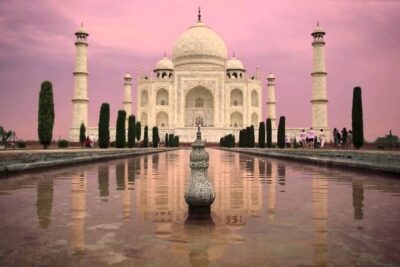
3-Day Private Luxury Golden Triangle Tour to Agra and Jaipur From New Delhi
Read our review →
4-Days Private Golden Triangle Tour: Delhi, Agra & Jaipur by Car
Read our review →
Four-Day Luxury Golden Triangle Tour to Agra & Jaipur From Delhi
Read our review →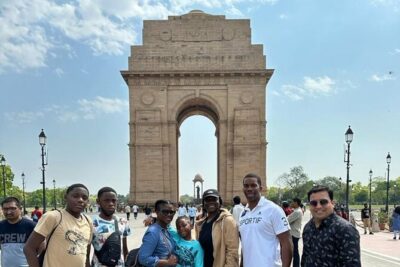
Private Luxury Delhi – Agra – Jaipur Golden Triangle Tour – 3 Nights 4 Days
Read our review →
All Inclusive Private Taj Mahal Luxury Tour from Delhi
Read our review →Browse the lists this tour appears in