
Review · LUXURY GOLDEN TRIANGLE TOURS
3-Day Private Luxury Golden Triangle Tour to Agra and Jaipur From New Delhi
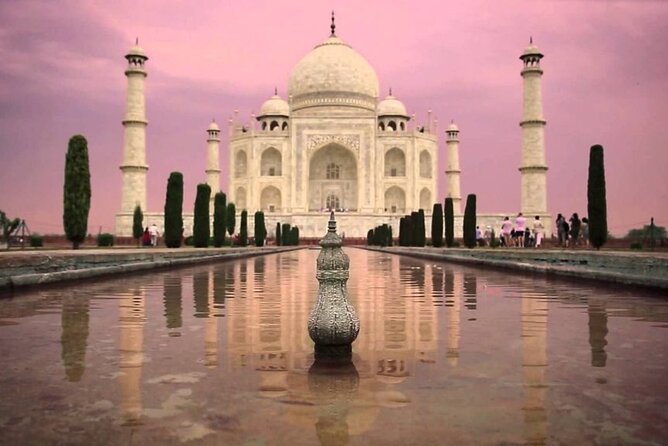
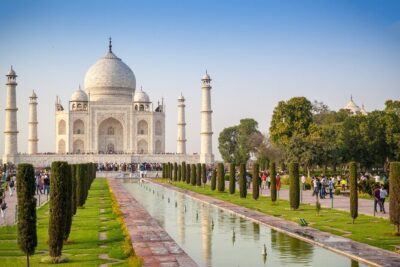
The Taj Mahal is only one part of the story. This three-day private tour gives you a fast, carefully arranged introduction to Delhi, Agra, and Jaipur, with a private driver, local guides, air-conditioned transport, and optional four- or five-star hotels. I especially like the sunrise visit to the Taj Mahal and the freedom to adjust the sightseeing plan. The main catch is simple: this is a packed schedule with long drives.
The tour also handles the parts of India that can wear you down, including city traffic, monument tickets, hotel transfers, and changing guides. Drivers such as Ashok, Rajesh, Sharwan, Madan, and Devender have been praised for calm driving and good communication. You should still expect early mornings, busy roads, and occasional shopping stops unless you ask to skip them.
Key points before you book
- Sunrise at the Taj Mahal: You leave early for one of the most memorable views in India, then spend about two hours inside the monument with a guide.
- Private car and driver: Your group travels alone in a climate-controlled sedan, SUV, or van, depending on group size and luggage.
- Three cities in three days: Delhi, Agra, and Jaipur are all covered, but the pace leaves little free time.
- Flexible sightseeing: You can request changes, remove monuments, alter the return time, or finish in Jaipur instead of returning to Delhi.
- Hotel choices: Packages include two nights in four- or five-star hotels, while a no-hotel option lets you arrange your own rooms.
- Extra costs matter: Monument entry fees are not included and are listed at about $65 per person, while lunch, dinner, and tips are also separate.
What this Golden Triangle tour is really designed to do
This is not a slow cultural holiday. It is a practical first look at three of northern India’s major destinations, arranged for people who want to see the essential sights without organizing several drivers, hotels, guides, and train tickets.
The advertised price is $164.67 per person, but the final value depends on the package you choose. A no-hotel package may suit independent planners, while the four- and five-star versions add accommodation and two breakfasts. You also need to budget for monument tickets, listed at approximately $65 per person, plus meals and optional tips.
That extra cost is worth keeping in mind before you compare prices. The tour’s real value lies in the private transport, local guides, hotel coordination, and time saved. You are paying to have someone handle the complicated movement between three cities, not just to enter the Taj Mahal.
The private format is useful in India. You can travel with only your own group, ask to slow down at a particular site, skip lunch, change the return time, or request a different sightseeing order. One solo guest even adjusted meals and sightseeing during the trip, with the guides working around those requests.
Still, private does not mean leisurely. Delhi sightseeing fills much of the first day. Day two begins before sunrise, then continues through Agra and the road to Jaipur. Day three includes a full Jaipur program followed by a drive of about four hours back toward Delhi, with arrival around 9 PM in the standard plan.
More Private Luxury Tours in India
- Four-Day Private Luxury Golden Triangle Tour to Agra and Jaipur From New Delhi
★ 5.0 · 807 reviews - Private Luxury Delhi – Agra – Jaipur Golden Triangle Tour – 3 Nights 4 Days
★ 5.0 · 306 reviews - From Delhi Exclusive Taj Mahal Private Tour with Luxury Car
★ 5.0 · 21 reviews
Day one, Delhi from Qutub Minar to Old Delhi

The first day covers a remarkable amount of ground. Depending on your pickup time and traffic, the route moves through both New Delhi and Old Delhi before heading to Agra on the Yamuna Expressway.
Qutub Minar is a strong opening stop. The UNESCO-listed tower dates to 1193 and was established by Qutub-ud-din Aibak, founder of the Delhi Sultanate. Allow about an hour here. You can study the carved stonework and hear how the tower relates to the wider early Islamic architecture of the region.
Entry is extra, so keep your guide’s help with ticket buying in mind. The guide can take care of the process and help you avoid standing in the wrong line.
Next comes the Lotus Temple, one of Delhi’s most recognizable modern buildings. Its white, flower-shaped design was completed in 1986, and the visit takes about 30 minutes. The temple is free to enter, though it closes every Monday. If Monday is your Delhi day, check the adjusted plan before you set out.
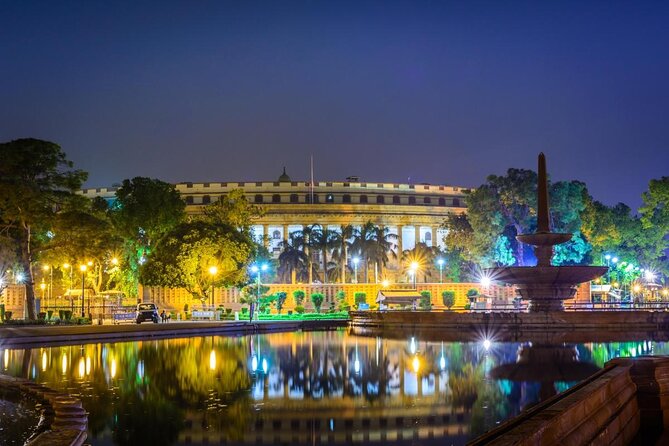
India Gate follows, with time for photographs and a look at this major war memorial. Nearby views may include Parliament House and Rashtrapati Bhavan, the presidential residence. These are often seen from the outside, so do not expect a full interior visit unless your coordinator has arranged something different.
Agrasen Ki Baoli is a much smaller stop, but it gives the day a change of scale. This protected stepwell is a 60-meter-long, 15-meter-wide historic structure in central Delhi. The planned visit is only about 15 minutes, yet the deep steps and enclosed setting make it a memorable pause between larger monuments.
Humayun’s Tomb deserves more time. Plan on about an hour to see the Mughal mausoleum commissioned by Empress Bega Begum for Emperor Humayun in 1558. Its formal gardens and grand proportions help explain the development of later Mughal architecture, including the design language associated with the Taj Mahal.
Old Delhi by rickshaw, mosque, and market
The Old Delhi portion is less polished and more sensory. Chandni Chowk is a busy market district filled with spices, dried fruit, silver jewelry, colorful fabric, and narrow lanes. Your private car will not give you the best feel for those streets, which is why the included rickshaw ride is useful.
The rickshaw trip lasts about 30 minutes. It is brief, but it gives you a close view of Old Delhi’s traffic and tightly packed shops without requiring you to navigate alone.
Jama Masjid, built by Shah Jahan between 1650 and 1656, is one of India’s largest mosques. Plan for about an hour. Dress respectfully and follow the guide’s instructions, since religious sites may have rules about clothing, photography, and footwear.
The itinerary also lists the Red Fort, although the timing and exact visit should be confirmed with your coordinator. The fort was the Mughal emperors’ main residence for nearly two centuries and now contains museums. If your first day feels too full, ask which Delhi stops receive an interior visit and which are photo stops.
After lunch, you drive toward Agra. The expressway journey takes about three hours, though traffic and the exact pickup point can change the timing. Bottled mineral water is provided during the drives, and the air-conditioning matters during hot or humid periods.
You check into your Agra hotel and have the evening at leisure. That quiet evening is welcome because the next morning starts early.
Day two, the Taj Mahal before breakfast
The sunrise Taj Mahal visit is the emotional center of the tour. You leave early, often around 5:15 AM according to one detailed schedule, so prepare your clothes and camera the night before.
The timing is worth the lost sleep. Morning light changes the marble, crowds are usually more manageable than later in the day, and the monument feels less rushed before the heat builds. The tour allows about three hours for the Taj Mahal area, including a guided visit inside for roughly two hours.
A battery bus carries you from the parking area to the monument and back. That saves a long walk and keeps the morning moving. Entrance is not included, so the guide will help you purchase the correct ticket and reach the appropriate line.
The sunrise visit depends on weather. Fog, cloud, or other conditions may affect the view, so do not treat a perfect sunrise as guaranteed. The monument itself remains the reason to go, even when the sky refuses to cooperate.
Agra Fort is the next major stop. Give it about an hour. The fort contains palaces, courtyards, and views connected with the Mughal court, and a good guide can explain the links between the rulers, buildings, and the Taj Mahal.
Itmad-ud-Daulah, often called the Baby Taj, takes about 30 minutes. This smaller mausoleum is easy to underestimate. Its gardens, delicate decoration, and Mughal design make it a useful companion to the larger Taj Mahal rather than just a quick substitute.
After Agra, you drive to Jaipur. The schedule allows roughly five hours for the transfer, although the actual time depends on road conditions. You check into your Jaipur hotel and spend the night there.
This is the day when the private car earns its keep. You are not hauling luggage through stations or trying to decode several local transfers. On the other hand, sitting in a car for hours is still sitting in a car. Bring water, keep your phone charged, and use stops for stretching.
More Private Luxury Tours in New Delhi
- From Delhi: 5 Days Private Luxury Golden Triangle Tour
★ 3.7 · 10 reviews
Day three, Jaipur’s forts, palaces, and pink sandstone
Jaipur begins with Panna Meena ka Kund, a stepwell near Amber Fort. The stop is short, around 15 minutes, but the geometric stairways make it useful for photographs and a quick look at traditional water design.
Amer Fort, also called Amber Fort, is the day’s largest Jaipur sight. Allow around two hours. Built by Raja Man Singh I on a hill above Maota Lake, the fort combines defensive walls, courtyards, decorative rooms, and views across the surrounding area.
The fort involves walking, steps, and uneven surfaces. Wear comfortable shoes and use sunscreen. The included plan does not involve elephant activity, which is worth noting if you prefer a straightforward visit without animal rides.
Jal Mahal is a short photo stop by Man Sagar Lake. The palace sits in the middle of the water, so you generally appreciate it from the shore rather than tour the building itself. The contrast between the palace and lake makes this a welcome pause after the fort.
City Palace takes about an hour and gives you a closer look at Jaipur’s royal center. Built in 1721, it served as the administrative and ceremonial seat of the Maharaja of Jaipur. Expect courtyards, palace buildings, and displays that connect the city’s royal past with its present identity.
Jantar Mantar is one of Jaipur’s most unusual sights. The UNESCO-listed site contains 19 large astronomical instruments built in 1734 by Sawai Jai Singh II. The instruments make more sense when a guide explains how they measured time and tracked celestial movements. Without that explanation, they can look like oversized stone sculptures.
Hawa Mahal is usually a quick 15-minute stop for photographs. Its red and pink sandstone facade is one of Jaipur’s familiar images, but the short visit means you should not expect a full palace tour here.
Gaitore Ki Chhatriyan adds a quieter note. This royal cremation site contains carved cenotaphs for Jaipur’s former Maharajas and offers a calmer setting after the city’s bigger attractions.
You then begin the drive back to New Delhi, usually arriving around 9 PM. If that return is inconvenient, the operator can arrange an earlier or later finish when requested. You may also choose to be dropped at Jaipur Airport instead of returning to Delhi.
Drivers and guides are the heart of the experience
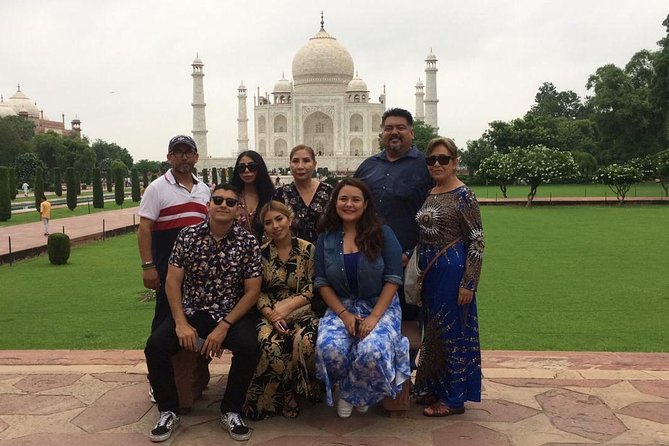
The best part of this tour is not simply the number of monuments. It is having a steady driver for the long road sections and a different local guide in each city.
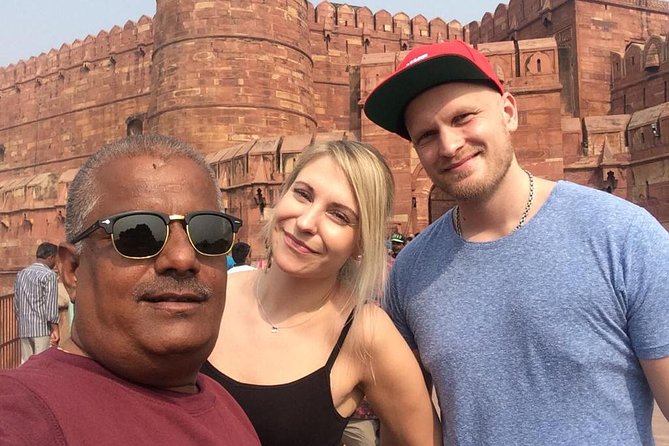
Drivers named in past trip accounts include Ashok, Rajesh, Sharwan, Madan, Jarnail, Jeet, Surinder, Paramjeet, Rajinder Singh, and Devender. The praise is consistent: calm driving, punctual pickups, help with luggage, water in the car, and reassurance in difficult traffic. That matters in Delhi and on the intercity roads.
You should expect a different guide in Delhi, Agra, and Jaipur. This arrangement works well because each guide focuses on the local monuments rather than trying to explain three cities from one script. Names that have been associated with individual tours include Himanshu, Manoj, Varun, Pinky, Misha, Aashiya, Attul, Siv, and Harry.
The guides also help with photographs and ticket lines. Be clear about your interests at the start of each day. If you want more architecture, less shopping, extra time at a fort, or no lunch stop, say so early.
Hotels, vehicles, and the less glamorous details
The four-star package may use Holiday Inn or Royale Sarovar Portico in Agra and Sarovar Premiere or a similar property in Jaipur. The five-star package may use InterContinental, Hilton, Radisson Jaipur City Center, or similar hotels, depending on availability.
Rooms are generally twin-share. A booking of three people normally uses a triple room, while two rooms for three people cost extra. Ask about this before booking if you value separate beds or private space.
Vehicle size depends on your party. One or two people use a four-seat sedan, three or four use a six-seat SUV, and groups of five to ten use a ten-seat van. Luggage can change the practical fit. One group of four carrying ten large suitcases had to upgrade its vehicle after arrival, so tell the operator about wedding clothes or oversized bags before the tour starts.
Shopping stops are the main caution. The plan allows you to add or skip shopping, but some routes may include demonstrations or shops selling textiles, jewelry, stonework, and handicrafts. You do not have to buy anything. If you prefer monuments and meals, state that plainly at the beginning.
Who should book this three-day plan?
I would choose this tour if you have limited time, are visiting India for the first time, or want support with transport and local arrangements. It also suits solo visitors who feel uneasy handling Delhi traffic and intercity travel alone.
It is a particularly good fit for couples, families, and small groups that want their own car rather than a large coach. The schedule can also work well as an add-on to a wider trip, including a conference in Jaipur or a visit to Bhutan.
I would not choose it if you want long afternoons in cafes, unplanned walks, or a slow look at each city. Three days is enough for the major sights, but not enough to know Delhi, Agra, and Jaipur in depth.
Book at least 24 hours before the start time if you need the free-cancellation option. Bring a valid passport, comfortable walking shoes, sunscreen, and patience for traffic. Contact the operator early with flight times, luggage details, hotel preferences, and any monuments you want to remove.
Should you book it?
Book it if your priority is seeing the Taj Mahal, Amber Fort, Delhi’s major sights, and Jaipur’s royal center with as little transport stress as possible. The private driver, local guides, flexible planning, and early Taj Mahal visit make the price reasonable once you account for the work it replaces.
Skip it if you want independence, nightlife, or spacious days. The schedule is intense, the monument fees and meals cost extra, and shopping stops may require firm instructions.
For a first visit, I think the tour makes a strong case for itself. You see the classic Golden Triangle in three days, sleep in arranged hotels, and have help when India’s roads and ticket systems become confusing. Just pack lightly, start early, and remember that a packed schedule is the price of fitting three famous cities into one short trip.
FAQ
Is the tour private?
Yes. Only your group participates, with private transport and local guides in each city.
Are hotels included?
Hotels are included only when you select a package with accommodation. The tour includes two nights and daily breakfast under those options. A no-hotel package allows you to arrange your own rooms in Agra and Jaipur.
What is not included in the price?
Monument entrance fees, listed at approximately $65 per person, are not included. Lunch, dinner, and optional gratuities are also separate.
Is the Taj Mahal visit at sunrise guaranteed?
The tour schedules the Taj Mahal for sunrise, but the view depends on weather conditions.
Can I finish the tour in Jaipur?
Yes. Instead of returning to New Delhi on day three, you can request a drop-off at Jaipur Airport. Other changes may also be possible if arranged with the operator.
What happens if I start on a Thursday?
The route changes to Delhi, Jaipur, Agra, and Delhi because the Taj Mahal is closed every Friday.
More Three-Day Trips in New Delhi
- 3-Day Luxury Golden Triangle Tour: New Delhi, Agra & Jaipur
★ 5.0 · 246 reviews - From Delhi: Private 3-Day Golden Triangle Luxury Tour
★ 4.9 · 56 reviews - Majestic Desert: 3-Day Luxury Journey from Marrakech to Fes
★ 4.9 · 1,437 reviews - From Marrakech: 3-Day Desert with luxury camp, camel & meals
★ 4.6 · 922 reviews
More Golden Triangle Tours in New Delhi
- All Inclusive Private Taj Mahal Luxury Tour from Delhi by Car
★ 5.0 · 2,564 reviews - 3-Days Private Golden Triangle Tour: Delhi, Agra & Jaipur by Car
★ 5.0 · 1,098 reviews - 4-Days Private Golden Triangle Tour: Delhi, Agra & Jaipur by Car
★ 5.0 · 406 reviews - Four-Day Luxury Golden Triangle Tour to Agra & Jaipur From Delhi
★ 5.0 · 307 reviews
Just added around New Delhi
- From Delhi: Taj Mahal & Agra Fort Luxury Tour with 5* Lunch★ 5.0 · 13 reviews
- Private 4-Days Golden Triangle Luxury Tour From Delhi★ 5.0 · 22 reviews
- From Delhi: Private 3-Day Golden Triangle Luxury Tour★ 4.9 · 56 reviews
- From Delhi: 5 Days Private Luxury Golden Triangle Tour★ 3.7 · 10 reviews
- Agra: Taj Mahal Vip tickets with Professional Photographer★ 3.6 · 5 reviews
- Luxury Taj Mahal Tour By Luxury Car From Delhi With 5 Star Lunch★ 5.0 · 16 reviews
- Skip the Line – Private Same Day Agra Tour by Luxury Car★ 5.0 · 65 reviews
- From Delhi Exclusive Taj Mahal Private Tour with Luxury Car★ 5.0 · 21 reviews
Luxury Golden Triangle Tours, compared.
All Inclusive Private Taj Mahal Luxury Tour from Delhi by Car
Read our review →
3-Days Private Golden Triangle Tour: Delhi, Agra & Jaipur by Car
Read our review →
Four-Day Private Luxury Golden Triangle Tour to Agra and Jaipur From New Delhi
Read our review →
4-Days Private Golden Triangle Tour: Delhi, Agra & Jaipur by Car
Read our review →
Four-Day Luxury Golden Triangle Tour to Agra & Jaipur From Delhi
Read our review →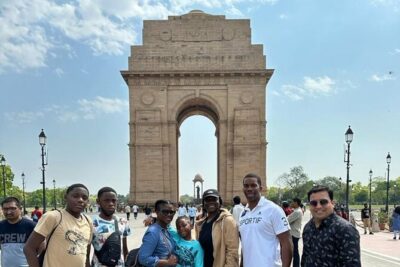
Private Luxury Delhi – Agra – Jaipur Golden Triangle Tour – 3 Nights 4 Days
Read our review →
All Inclusive Private Taj Mahal Luxury Tour from Delhi
Read our review →
3-Day Luxury Golden Triangle Tour: New Delhi, Agra & Jaipur
Read our review →Browse the lists this tour appears in